How AI Is Reshaping Worker Pay and Autonomy on the Job
Corporations are deploying AI tools ranging from chatbots to humanoid robots, with significant consequences for how workers are managed and compensated.
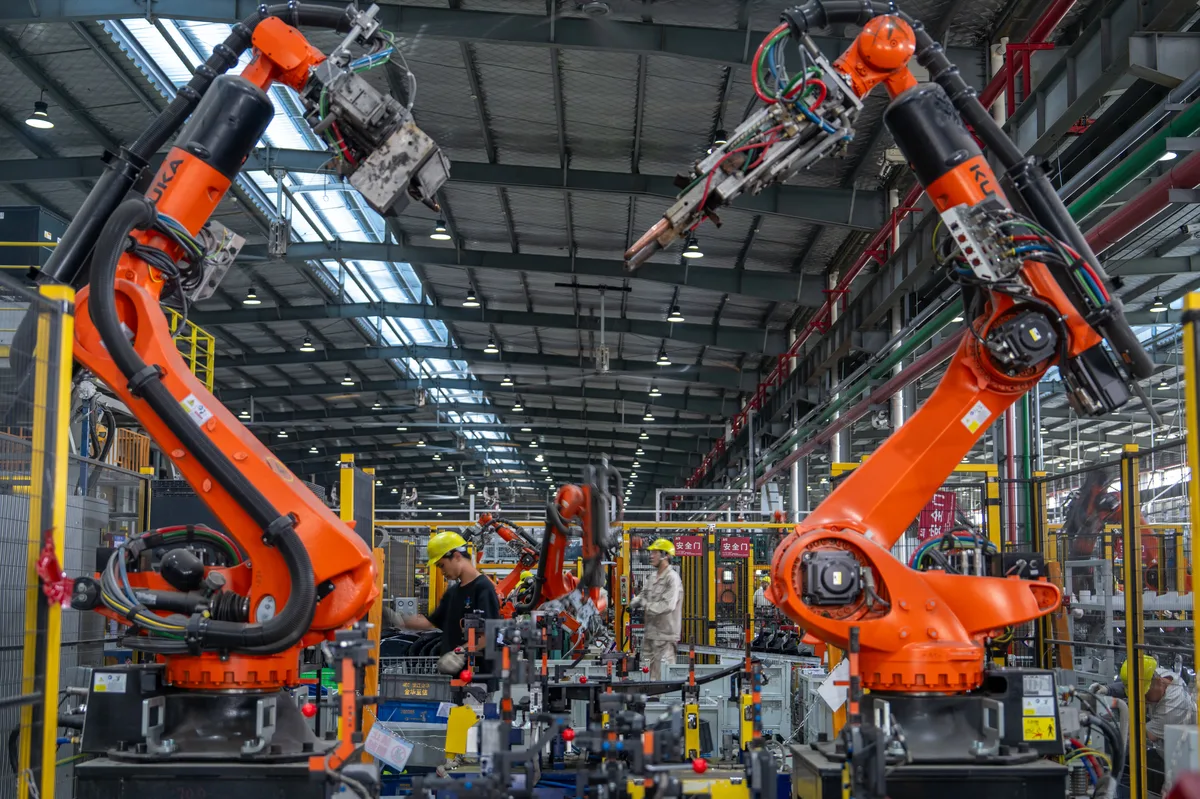
Artificial intelligence is increasingly embedded in corporate workplaces, with companies deploying a broad spectrum of tools — from conversational chatbots and automated management systems to humanoid robots — that are fundamentally altering the employment landscape, according to reporting by CNBC.
The rapid adoption of these technologies carries substantial consequences for workers, touching on two of the most sensitive dimensions of employment: compensation and autonomy. Automated systems are now capable of monitoring performance, assigning tasks, and in some cases influencing pay decisions, dynamics that labor experts and employee advocates have flagged as pressure points requiring new frameworks of oversight.
Read more T-Mobile and Verizon Encounter a Rising Broadband Competitor →
The scale of deployment across industries has prompted speculation that dedicated internal functions — sometimes informally described as "robot relations" departments — may emerge within human resources structures to govern how AI tools interact with the human workforce. Such units would potentially mediate disputes, set behavioral standards for automated systems, and ensure compliance with evolving labor regulations.
The intersection of AI management tools and worker rights raises questions that existing labor law was not designed to answer. As corporations move faster than regulators, workers increasingly find themselves subject to algorithmic decisions with limited recourse or transparency into how those determinations are made.
The trend underscores a broader structural shift in which the boundary between human oversight and machine-driven management continues to blur, setting up what could become one of the defining workplace policy debates of the coming decade. Continue reading at US Top News and Analysis.