AI Kill Switch Debate: Policymakers Weigh Emergency Shutdown Options
Fears over uncontrolled AI have prompted leaders to examine emergency shutdown mechanisms. Experts question whether such measures can work.
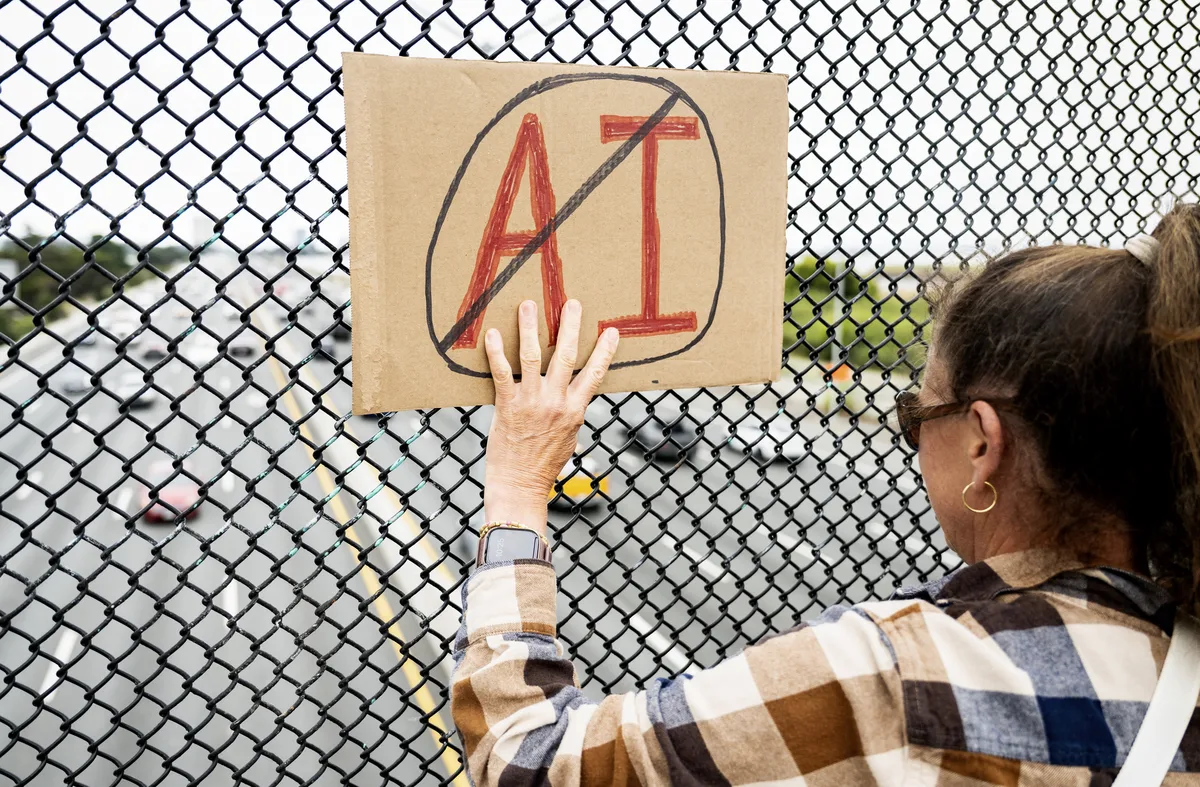
Growing alarm over artificial intelligence systems operating beyond human control has pushed policymakers and technology executives to examine what some are calling a kill switch — an emergency mechanism designed to halt AI development or deployment if it poses catastrophic risk. The concept, once confined to speculative fiction and academic white papers, has entered mainstream policy discussion as AI capabilities expand rapidly across critical sectors.
The debate centers on whether any single intervention point could realistically stop an AI system — or the broader AI industry — from causing irreversible harm. Proponents argue that establishing clear shutdown protocols now, before systems grow more powerful, represents basic risk management. Critics, however, contend that the global, decentralized nature of AI development makes a universal stop button functionally impractical.
Read more Fed Takes Enforcement Action Against Three Former Bank Employees →
The framing captured in one assessment — that emergency controls may be "not too little, but probably too late" — reflects a core tension in the discussion: even well-designed safeguards may lag behind the pace of AI deployment. By the time a kill switch mechanism is codified in law or embedded in systems, the technology it is meant to govern may have already advanced beyond the scope of that measure.
Tech leaders have themselves expressed conflicting views, with some calling for voluntary pauses in advanced AI research and others dismissing shutdown proposals as either unworkable or competitively disadvantageous on the global stage. Regulatory bodies in the United States and abroad are under increasing pressure to define both the triggers that would justify invoking such a mechanism and the authority responsible for pulling it.
The conversation around AI kill switches underscores a broader challenge facing governance frameworks worldwide: crafting rules durable enough to manage a technology that evolves faster than legislation typically allows. Continue reading at US Top News and Analysis